
Louisiana homeowner guide
Louisiana Citizens homeowners insurance, the FAIR Plan and the Coastal Plan
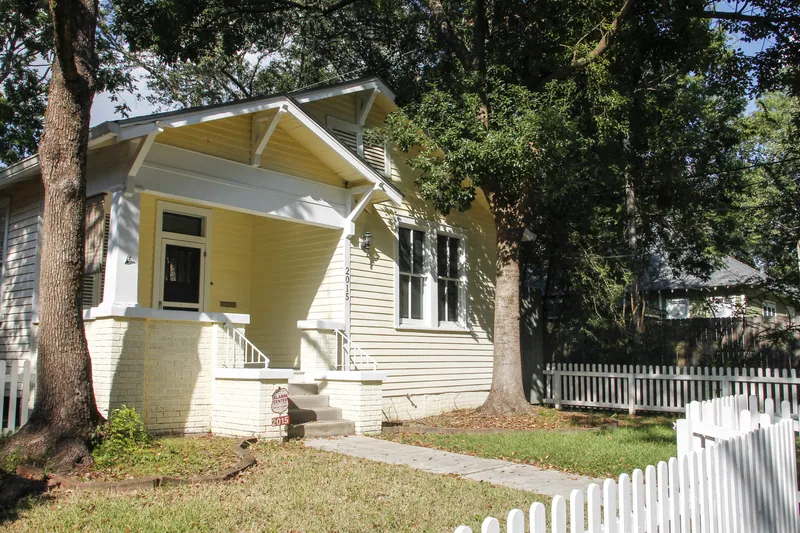
If a Louisiana-authorized property insurer has declined your home, you may have a path to coverage through Louisiana Citizens Property Insurance Corporation. State law gives a person with an insurable interest in insurable property who has been denied by one or more authorized property insurers the right to apply. Citizens operates two plans, the FAIR Plan and the Coastal Plan. The location, condition and use of the property help determine what coverage Citizens can offer. Louisiana Revised Statutes 22:2302.
Start by gathering the name of the insurer that declined, what you asked it to insure and the date you need coverage. That gives an agent something specific to evaluate. If your current policy is still active, keep its notice close at hand. If it has ended, give the actual end date. A new application can address the next period of ownership without changing the insurance record for the days that have already passed.
Identify exactly what a private company declined
A household can have more than one problem to solve. Suppose the company that insured a raised house for years offers to continue covering fire and liability but removes wind and hail. The homeowner still needs an answer for wind. A neighbor whose carrier declined to insure an empty house during repairs needs an answer for the building's occupancy and condition. A third family may have a quote that simply costs more than expected. Each situation calls for a different conversation with the agent.
Save the company’s written decision and all pages of any conditional offer. Ask the agent what legal insurer issued it, which property or coverage it concerned, and whether the decision reflects the condition of the house today. Under Louisiana's Citizens application statute, the application identifies the property insurer or insurers that denied coverage. A conversation with an agency that lacks a suitable market might leave you without the actual insurer information needed for that purpose. Citizens eligibility and application law.
If the earlier application contained an error, correct it before concluding the home has no private option. A detached apartment described as vacant may have a year-round tenant. A roof described as twenty years old might include a newer main slope and an older porch. Give dates for each part, along with invoices, current photos or a lease where appropriate. Ask whether an authorized insurer can consider the complete facts and whether Citizens would need a separate application for the coverage you still lack.
Create a simple calendar with three entries. Include the current policy's end, the date the mortgage company wants proof and the date the property itself changes hands or becomes occupied. A denial dated last month says nothing about whether insurance is active today. The agent needs all three dates to judge which conversation deserves attention first.
Find the plan for the insured location
Citizens is Louisiana's nonprofit residual-market property insurer. State law directs it to provide essential property insurance to eligible applicants who cannot obtain insurance through the voluntary market. Its Coastal Plan serves the area designated for that plan. The FAIR Plan operates in its designated area. The practical starting point is the location of the building you want insured, including its street address and any separate structures, not the address where you receive your bills. Citizens’ statutory purpose and Citizens Plan of Operation.
A coastal parish name alone will not always settle the question. Citizens’ instructions for its market survey recognize locations where both classifications occur within the same city or town. Give the precise risk address to the agent, especially if the property shares a mailing address with an adjoining parcel or has a rural address. Ask which plan applies before relying on a neighbor’s deductible, rate or coverage description. Citizens’ explanation of split territories.
Tell the agent if the house has been moved, raised, rebuilt, substantially remodeled or used for something other than a private residence. The Coastal Plan statute addresses building standards and proof of substantial compliance for qualifying structures. It also identifies use, occupancy and state of repair as material. Ask which documentation Citizens requires for your building and who may supply it. An elevation certificate prepared for a flood decision and a certificate addressing the building's construction answer different questions. Coastal Plan definitions and building evidence.
Choose the coverage question before choosing a form
Both plan statutes identify homeowners coverage, fire coverage with certain possible additions, and stand-alone windstorm and hail coverage for dwellings or commercial properties. These are categories of essential property insurance. They do not mean every applicant receives every category or every optional feature. Ask what form is available for the particular risk, which causes of loss it includes and whether it must be combined with another contract to meet your needs. FAIR Plan coverage categories and Coastal Plan coverage categories.
Start with who lives there and how they use the property. A house where you live most of the year has different exposures from a duplex occupied by two tenants. In a duplex, you may own the water heaters, floor coverings and appliances while the tenants own their furnishings. If your home has a furnished cottage where a relative stays in winter, explain whether anybody pays rent and whether other guests use it when she leaves. The answers help the agent identify whose property and liability need protection.
Read the offer one coverage at a time. Locate the main building amount, detached structure coverage, belongings, living expenses or rental value, and any personal liability shown. If a category is absent, identify it in writing on your comparison. For example, a wind-only proposal could be exactly the missing piece in an otherwise broad package. In a different household, the same proposal could leave a family with a loan, personal belongings and liability concerns that still need separate coverage.
Ask what the policy calls an occurrence and which restrictions apply after a long absence from the property. Someone deciding whether to visit family for several weeks after repairs may need an answer about maintaining water, heat and the condition of the house. A description that was correct on the application date can change before the house becomes habitable again.
Make two policies work together
If a private insurer offers a homeowners or dwelling policy that excludes wind, obtain the actual exclusion and ask what remains insured. A fire or theft claim may go to the main insurer, while a wind claim may belong with the wind insurer. The policies can use different terms for the same roof, outbuilding or property owned by a tenant. Put both offers on the table before paying for either, and write down which party will insure each item.
For a raised home with a detached garage, begin by matching the risk address, named owners, effective dates and mortgagee on both proposals. Then check the dwelling limit, roof valuation method and whether the garage is insured. If the main policy excludes wind on all structures and the wind quote lists only the dwelling, you still need an answer about garage damage. A general statement that the house has wind coverage cannot establish what is insured inside a detached structure.
Compare what happens if the family cannot stay there after a covered event. When the main form excludes wind and the separate form focuses on direct building damage, ask which contract could pay eligible additional living expenses after a windstorm. Trace the same question for debris removal, damage to contents, code upgrades and emergency measures. A single mortgage certificate may not show how any of these items would be treated.
Keep a separate row for flood. Floodwater and storm surge can damage the same house that sustains wind damage. A wind contract and a flood contract address different causes and have separate deductibles and reporting instructions. If a loss involves both, document the facts and notify the potentially applicable insurers promptly. Let the actual policy language and investigation determine how the loss is handled. Louisiana Department of Insurance homeowners guidance.
Evaluate what your household can afford after a loss
Look at the policy's valuation method alongside its limits. Replacement cost addresses the cost of like-kind repair or replacement, subject to the contract. Actual cash value usually accounts for age and condition. An endorsement can change the settlement basis for roofing or belongings even where the dwelling has replacement cost. Ask the agent to mark the page that explains the settlement method for each item, including what the insurer may initially withhold until work is completed.
Calculate the deductible in dollars using the actual base stated in the policy. For illustration, four percent of a $275,000 dwelling amount is $11,000. That is a household cash requirement worth understanding before a storm. Compare it with the dollar amount you have set aside, and ask whether the ordinary deductible, hurricane deductible or another wind deductible would apply to the event you are considering. The percentage in this example is solely for arithmetic.
Make an inventory of items that would be difficult to replace from savings. Appliances, a child's bedroom furniture, computers and clothing can add up quickly even when nothing feels unusually valuable. The two plan statutes allow a policyholder to request in writing that personal property be excluded. A resulting premium reduction may be available. Compare the actual revised offer against what it would cost your household to replace the removed protection. FAIR Plan personal property provision and Coastal Plan movable property provision.
Discuss living costs separately from the building estimate. A homeowner relocating for repairs might need an accessible temporary home, storage for salvageable contents and a longer journey to work. Ask what extra costs qualify after a covered loss, how to document them and how much time or money the contract allows. If you rent the building to someone else, ask about lost rental value and whose policy pays for the tenant's temporary stay.
Prepare an application that an underwriter can evaluate
Use current photographs and dates to explain the condition of the roof, exterior walls, stairs, porches and any raised foundation. Distinguish between a repair already completed and a contractor’s proposal. For an electrical upgrade, identify the work documented on the invoice. A replaced panel tells the underwriter something specific. It does not establish that every wire in the original house was replaced. If the contractor can clarify the scope, ask for a short written description.
Bring the document that shows your interest in the property. For a purchase, this may begin with a contract and a closing date. For an inherited house, the owner, estate representative and future occupant may be different people. A person who checks the mail or pays the utility bill might not be the right applicant. Explain the ownership and ask which parties should be named. Louisiana law bases the right to apply in part on a substantial lawful economic interest in the property. Definition of insurable interest.
If the home is being restored after a loss, provide the claim date, the insurer that handled it, remaining work and current occupancy. Include a dated photograph of completed repairs where it helps distinguish new work from old damage. Ask whether an inspection, additional document or completion of work is needed before an offer can become effective. A relative's visits during construction may be helpful information. They do not make the house occupied if nobody actually lives there.
If Citizens declines, ask for the actual reason and distinguish missing evidence of a prior denial from a problem with property eligibility. Section 2302(D) provides a route to appeal certain refusals or delays to the commissioner and expressly excepts a failure to establish a prior denial. Preserve the application, decision and supporting documents. Ask the Department for its instructions if you believe the circumstances described by the statute apply. Citizens application and appeal provisions.
Compare Citizens with a private proposal
Take the same description of the home to each agent. If one application assumes an owner-occupied single family house with an updated roof while a second describes a seasonal home awaiting repairs, the resulting prices do little to tell you which option fits. Decide what you need, correct discrepancies and compare only the offers that address the actual situation. Also check whether there is a firm quote or an estimate dependent on inspection and approval.
Compare the full annual cost with the cost of maintaining other necessary policies. A single private offer including wind may compete with two separate policies whose premiums must be added together. A surplus lines offer may have a premium tax and fees. A lower-priced policy may also have a deductible your household would struggle to fund. Write down the premium, separately charged amounts, maximum potentially relevant deductible, roof settlement and protections that would still have to come from another policy.
For a mortgage, ask the servicer to review the exact building and wind coverage, deductible and loss settlement method. A lender may accept a proposed policy that leaves little coverage for belongings or temporary housing. Work down both lists, the lender’s conditions and your own. Get written confirmation of accepted evidence, and retain copies of any rejection explaining which terms need changing.
Comparing options remains worthwhile even if you already hold a Citizens policy. An insurer that declined the home during renovation may now be willing to consider the finished house. An application with an older roof record can be amended to show the new installation. Plan a private-market review while you still have time to collect those records, receive a genuine offer and coordinate the dates of any replacement.
Understand a Citizens depopulation notice
Louisiana Citizens uses a process called depopulation to move selected policies to participating private insurers. A program announcement does not identify your house. Look for correspondence naming your policy, the insurer and the applicable round. A letter that describes transfer of an existing policy may include different dates from a later renewal on the new insurer's forms. File the assumption letter beside the declarations so your household can find the proper claims contact for the date of a loss.
For Round 24, Citizens scheduled assumption for December 1, 2026. Its published procedure calls for certificates of assumption to be mailed to selected policyholders between November 20 and November 30, 2026. It gives affected policyholders through February 28, 2027 to use that round’s opt-out procedure. Refer to the individual letter and its instructions, particularly if your renewal falls near those dates. These dates belong to Round 24. Citizens Round 24 schedule and policyholder options.
Ask the agent which coverage comparison worksheet applies to your form and assuming insurer. Read it for changes in storm deductibles, roof terms, other structures, water losses and optional endorsements. If you decide to request continued Citizens coverage under the procedure, keep a copy of your request and confirmation that the correct party received it. If you choose the private insurer, make sure your mortgage servicer and anyone helping with payments have its name and billing instructions.
Finish the mortgage and billing handoff
When a property has two policies, make a short payment record for each one. Write down who receives the invoice, whether money will come from escrow, when the payment is due and which mortgagee appears on the declarations. Then review that record with whoever handles your loan. A servicer can receive a wind insurance certificate without receiving the renewal invoice. It can also pay an old insurer after you have switched. Prompt confirmation of the billing arrangement is particularly valuable when one policy starts midyear.
Save the evidence of coverage and the lender’s acknowledgment in a location you can reach without traveling back to the house. If the property is a seasonal camp, tell the agent where correspondence will reach you while it is unoccupied. Ask for electronic copies if you need them. Put a reminder on your calendar before renewal so there is time to compare the next bill and update any outdated phone number or mailing address.
If an insurance requirement changes after closing, request the new requirement in writing and send it to the agent. Compare what the policy currently provides, what the lender now asks for and whether an endorsement or replacement offer is available. Preserve the old documents when you make a change. They may be needed to explain which company covered the house on an earlier date.
Common questions
Do I need three Louisiana insurance companies to decline before I apply?
Section 22:2302 describes a denial by one or more insurers authorized to write property insurance in Louisiana. The application identifies the insurers that denied coverage. Bring the actual decision to an agent who can review its relevance and the rest of the application. Citizens determines the insurability of the property. Eligibility statute.
Can I select the FAIR Plan if I prefer its terms to the Coastal Plan?
The plans have designated geographic areas. Give the risk address and identify exactly where each building sits. Ask which plan and product apply there. If you have another home elsewhere in the parish, have the agent check its address independently before you assume it belongs to the same plan.
What if my main insurance company excludes wind?
Request the exclusion and a separate wind proposal that identifies the buildings and property you need protected. Compare the dwelling amount, roof settlement, loss of use, other structures and deductible. Keep track of any items that neither proposal covers and give both pieces to the lender for review.
Can I apply while the roof is still under repair?
Explain the current condition, cause of damage, contractor schedule and who lives there. The agent can determine what documentation or inspection to request and whether the appropriate program can consider the property now. A future installation date alone does not show the work is complete or establish when coverage may begin.
Who do I call about a claim on my Citizens policy?
Use the reporting instructions on your current policy or the Louisiana Citizens claims center. After an assumption, consult the certificate and servicing instructions for the date of loss. Keep your claim number and any written acknowledgment. A request for a replacement quote is a separate transaction. Official claims information.
Can a written quote serve as proof of coverage for my closing?
Ask for evidence that identifies an effective policy or binder from a party with authority to issue it. Verify the property, terms, name and effective date against the lender's instructions. An illustration or an application that awaits approval does not prove coverage began, even if it lists the exact amount your lender requested.
Sources
- Louisiana Legislature — Citizens eligibility, application and appeal
- Louisiana Legislature — Citizens’ purpose
- Louisiana Legislature — Coastal Plan
- Louisiana Legislature — FAIR Plan
- Louisiana Citizens — Plan of Operation
- Louisiana Citizens — Round 24 procedure
- Louisiana Department of Insurance — homeowners insurance