Louisiana homeowner guide
Louisiana hurricane deductibles, older roofs and wind coverage

To compare storm protection on a Louisiana home, ask for two things in writing. Which policy insures wind damage to this particular roof, and what would the homeowner owe on a covered loss from a named storm? If water could reach the house from a bayou, flooded street or rising Gulf water, ask for a separate flood review. All three questions matter even when the lender has already accepted a certificate of insurance.
Start with the address, the roof’s known repair history and the declarations for any current coverage. A house near Houma with a repaired metal porch and an older shingle main roof needs a different conversation from a brick house in Alexandria with a recent complete replacement. You can start that conversation while tracking down an installation invoice. Tell the agent which facts are certain and which still need confirmation.
Identify the damage each contract would address
One storm can damage the same home in several ways. Wind tears shingles off an upper roof, rain enters through the opening, and water from the street later crosses the front threshold. A homeowners or separate wind policy may address the damage from wind and resulting rain under its own terms. The flood policy addresses qualifying flood damage. A restriction on the roof, a requirement for an opening made by a covered peril, or differences between the coverage dates can change the outcome.
Hurricane Francine illustrates the distinction. The National Weather Service’s post-storm report describes Category 2 landfall in southwestern Terrebonne Parish in September 2024. The agency documented building wind damage in Terrebonne and Lafourche, coastal storm surge and flash flooding farther inland. Landfall intensity describes the storm at a particular place and time. It does not establish the wind speed on your street, how water entered a particular wall, or which deductible a carrier must apply.
Look at the house from the perspective of each policy. A covered wind loss on a roof can be much smaller than the loss of appliances and lower cabinets to rising water. Conversely, the flood waterline might remain outside while rain ruins ceilings under a damaged ridge. If you hold more than one policy, record each claim reporting number and policy period together. Tell each potentially involved insurer what you observed. You can give timely notice without diagnosing the final cause of damage yourself.
Price the storm deductible before accepting the policy
Read the declarations beside the deductible notice and any wind endorsement. Look for all-perils, wind and hail, named-storm and hurricane entries. Some offers have fewer categories. Ask the agent to circle the provision that applies to damage from a thunderstorm without a tropical system and the one for a named tropical storm. For a percentage deductible, identify the amount the percentage multiplies. Dollar figures are easier to compare and may increase when the insured dwelling amount rises at renewal.
Suppose the dwelling is insured for $320,000 and a hypothetical named-storm deductible equals three percent of that limit. The household’s deductible is $9,600. If an otherwise payable wind loss to the roof and interior totaled $18,000 before this deductible and no other adjustments applied, the remaining amount would be $8,400. Replacing individual shingles for $4,000 would fall below that same deductible. Both examples concern one covered cause and one contract. They do not estimate what an adjuster would allow for a real roof.
Read the weather trigger too. A bulletin describing a hurricane watch or a private weather company's storm nickname does not substitute for the policy definition. Louisiana’s insurance department discusses the National Hurricane Center’s naming of systems and the importance of the individual wording in its deductible advisory letter. Ask whether the provision requires a named storm, a particular tropical classification, and a defined time or geographic window. The answers matter when a system weakens before crossing your parish.
Understand Louisiana’s calendar-year rule
Louisiana Revised Statutes 22:1337 sets a calendar-year rule for separate named-storm or hurricane deductibles on the described homeowners or owner-occupied one- or two-family fire and allied-lines policies issued or renewed by authorized insurers. The statute has its own policy scope. For a surplus lines policy, a rental building, a separate wind contract or another arrangement, ask the producer to identify the applicable law and the policy provision. A hurricane headline alone does not establish that any two contracts follow the same calculation.
For qualifying subsequent losses during the same calendar year, the insurer may apply the larger of the unused part of that separate deductible or the applicable all-other-perils deductible. Take a hypothetical $6,000 named-storm deductible and a $1,500 all-other-perils deductible. If the carrier credits $4,000 of covered damage from the first storm toward the annual amount, the unused balance is $2,000. On a qualifying second event, the greater figure in that example is $2,000. If the annual amount had been fully met, the greater figure would be $1,500.
Get the calculation from the insurer rather than carrying a number from a neighbor’s claim. The statute allows insurers to require receipts or other records of the earlier losses. Save the first estimate, any settlement or below-deductible letter, invoices and the insurer’s treatment of the deductible. Do this even when no check was issued. Before changing carriers or comparing contracts with different coverage periods, ask how a previous storm loss would be treated. A renewal anniversary and January first serve different purposes.
Verify the roof the insurer is actually reviewing
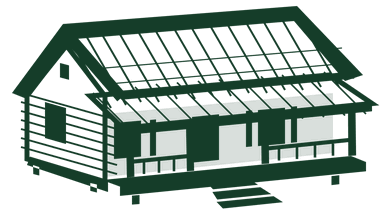
Draw the roof outline and label each section. A broad front gallery may have its own pitch and metal cover, while an early addition shares the original shingle roof. A detached carport or shed has its own structural supports. Put the date of known work beside each section, including whether old covering was removed and decking repaired. A receipt for a rear porch repair will have a legitimate place in the file without becoming an installation date for the main house.
Older Louisiana homes often acquired features at different times. Record a later enclosed porch, roof-mounted equipment, a steeper section over the original house and a lower rear extension. Ask an inspector to identify where those sections meet, any evidence of leaks and any area the inspection could not reach. If you are buying, compare the seller’s invoice with the photographs and scope in the inspection report. The phrase “reroof after Ida” can mean a complete replacement or just work on the slopes damaged in that storm.
If an insurer requests photographs, find out whether it wants ground views, a contractor’s evaluation, material labels or a particular form. Ask what specifically concerns it and whether existing evidence can resolve the question. A photo taken before a replacement or a description attached to the wrong outbuilding can be corrected with dated records. A photograph showing an actual opening needs attention to the condition itself. Avoid climbing a roof for an application. A qualified person can gather close-up evidence if the insurer needs it.
Compare roof payment and exclusions separately from the deductible
A deductible is just one subtraction from a covered loss. Find out how the contract values the roof covering before applying it. Replacement-cost terms, actual cash value and age-based payment schedules can produce significantly different results. Some replacement-cost forms allow additional payment after completed repairs and submission of evidence. Ask about deadlines, proof requirements and nonrecoverable depreciation. A dwelling shown on the declarations at replacement cost can still have an endorsement changing settlement on its roof.
Return to the example with a $9,600 deductible. If an older-roof endorsement reduced the amount allowed for a hypothetical covered roof loss to $11,000 before the deductible, the illustrative result would be $1,400. That differs from the $8,400 result on an $18,000 covered loss under the earlier assumptions. Ask the agent to show how age, materials, labor and other components enter the actual calculation. Compare both the premium and the money your household may need to finish a repair promptly.
Read any restriction all the way to its exceptions and definitions. Does it exclude wind for the entire dwelling, exclude roof surfaces only, limit cosmetic damage to metal, or restrict damage to a particular structure? Ask how the offer would respond to damage beneath the roof deck, to an attached porch, and to walls opened by flying debris. If a lender requires wind insurance, give its reviewer the actual restriction and any companion wind offer. A document showing a dwelling limit cannot answer those narrower questions.
Ask what a FORTIFIED Roof designation actually represents
A material warranty can say a shingle or panel meets a product standard. The IBHS FORTIFIED Roof designation concerns the installed roof system. The Insurance Institute for Business & Home Safety describes stronger roof edges, a sealed deck and attachments designed to help keep the deck on the structure. The evaluator documents the work while relevant details are still visible. A photograph of attractive new shingles cannot establish how hidden connections or the underlying deck were treated.
On a traditional home, speak to the evaluator about the shape and condition of the existing roof, porch connections, materials you intend to preserve and any needed structural work. If historic review or local permitting applies, ask the local permit office what approvals the project needs before selecting materials. Tell bidders about those requirements. A contractor who has allowed for matching visible metal trim and one who has priced only standard replacement shingles may be quoting substantially different jobs.
Ask for a written division of responsibilities. Who arranges the evaluation, takes the required construction photographs, resolves a failed detail and submits the final documentation? Who pays for deteriorated decking discovered during removal? Keep the bid, change orders and final designation separate in your records. An insurer reviewing completed work may need the certificate plus its own inspection information. Ask which part of the quoted premium changes and the date the credit starts. A designation helps document construction but does not promise a renewal or any particular premium.
Plan the work around the state grant and your deadlines
The Louisiana Fortify Homes Program describes grants of up to $10,000 toward an eligible roof upgrade. The program ordinarily pays an approved contractor after completion and certification. The applicant remains responsible for evaluator fees and uncovered costs. Check current eligibility and application periods directly, including requirements concerning the primary residence, insurance and the structure’s condition. An application, acceptance into a registration process and written project approval are distinct steps.
Timing can decide whether grant participation is realistic. If the insurer insists on repairing an opening promptly, ask it what temporary protection is necessary and obtain professional help. Contact the grant program before signing a construction agreement or beginning permanent work you expect it to fund. Its guidance warns that starting too early may disqualify the project. Explain any insurance claim, inspection deadline or lender requirement to the evaluator. Grant money cannot be assumed to satisfy a deductible, and delayed funding cannot keep an expiring insurance policy in force.
For comparison, request one bid for the required ordinary repair and another describing the additional work needed for designation. Separate costs eligible for program funding from permits, evaluator fees and repairs the homeowner will cover. Ask about self-funding or a possible policy endorsement for future qualifying insured roof damage if the grant timing does not fit. The state’s program questions and answers describe these routes. Before counting on an endorsement, obtain the terms and confirm it is in force before a future loss.
Keep wind, storm surge and inland rainfall claims intelligible
The remnants of Tropical Storm Arthur produced extraordinary rainfall in Avoyelles Parish in June 2026 after the system brought tropical storm conditions to the upper Texas coast. A station southeast of Cottonport measured 29.06 inches in 24 hours, according to the Louisiana State Climate Office’s event summary. That measurement belongs to the observation site. It says nothing by itself about whether a particular home had a wind opening, whether an individual roof leaked or how much floodwater reached the living space.
Once you can safely inspect the premises, start with the highest visible entry and the lowest visible waterline. Photograph the outside and inside of the affected room and note which pictures belong together. Save an original file and write down when you first noticed each condition. If a neighbor observed water crossing the road while you evacuated, record that as the neighbor’s observation. If power failed and a pump stopped, put that on the timeline too. A licensed professional can investigate the paths water took.
Notify potentially involved carriers promptly and keep separate claim numbers, estimates and correspondence. Share the same factual chronology with each. Tell them about prior repairs and earlier damage to the same area. If both adjusters need a sample or want to inspect a damaged component, ask for coordination before permanent work changes the evidence. Record why any urgent protective work had to proceed. Louisiana’s storm recovery guidance describes documenting damage, arranging temporary protection and retaining receipts.
Match the repair scope to the house you live in
An estimate may list the square footage of a roof without explaining how the crew will reach a high rear slope or protect an attached gallery. Compare the scope with the builder’s actual plan. Identify removal, disposal, flashing, decking, access, protection of features to remain and interior work. If a structural connection is concealed until removal, agree on how the contractor will document the discovery and notify the adjuster. A written change order helps distinguish additional necessary work from an elective improvement.
Consider a raised wooden cottage whose porch roof lifted away from its supports. The estimate covers new panels but no work on the columns, flashing at the main building or damaged underside. Ask the contractor to explain which components are damaged and which can stay. Ask the insurer which scope it accepted and what documentation it needs for disputed items. An allowance for restoring damaged construction, any coverage for ordinance-driven additional costs and a voluntary upgrade to FORTIFIED can involve different sources of payment.
If the household must move out, record the reason the premises became unusable, the dates of any evacuation orders, and the expenses above what you would ordinarily spend. Ask each insurer which triggers and limits govern temporary housing on its policy. Living with relatives may still create additional expenses, while a mortgage payment you would have made anyway is a different question. Keep receipts and discuss an extended stay before committing to a lease or assuming that a wind or flood claim will pay it.
Decide what you need before renewal day
Write down the present policy’s end date, any inspection response due date and the earliest date repairs can actually finish. Ask whether the existing insurer will accept a report, completed repair or other evidence, and get any conditions in writing. If you are shopping for replacement coverage, disclose unrepaired damage and whether a roof claim is open. A new policy starts on its confirmed effective date. A future effective date cannot make earlier damage a new insurer’s responsibility.
If another family member handles bills, have them check how premiums will be paid on each contract. A lender might disburse one escrow payment while you owe a direct-billed companion premium. Match each invoice to its insurer and effective date, confirm who received the funds, and retain the payment confirmation. Ask how a change in the roof settlement terms would appear in the paperwork. If an agent says the wind deductible has been lowered since the initial offer, request the revised figures on the final paperwork before relying on the change.
Check every piece of a proposed arrangement together. A wind policy starting later than the policy on the rest of the house leaves a meaningful interval. A roof exclusion on one policy should prompt you to inspect the roof terms on the other. After the work, send proof to the underwriting contact for any required coverage change, the adjuster for the claim, and the lender if it manages insurance proceeds. Obtain the resulting endorsement or other written decision. That dated record lets you plan the next renewal using the coverage you actually have.
Common questions
Can a named-storm deductible apply to a tropical storm below hurricane strength?
Yes, depending on the definition and other policy terms. A named-storm provision can apply at a lower classification than a hurricane-only provision. Read the declarations, endorsement and notice together and ask the insurer which event classification and period trigger the deductible. Whether wind damage or another loss is covered remains a separate question.
If I have two Louisiana hurricanes in one year, is the second claim deductible-free?
A succeeding loss is not automatically deductible-free. For policies within the Louisiana annual-deductible statute, compare the remaining separate deductible with the applicable all-other-perils deductible. The insurer may use the greater amount. Keep proof from an earlier below-deductible loss, and ask which losses and amounts the insurer has credited before calculating the next claim.
Will the state pay for the entire cost of my new roof?
The maximum grant is a contribution to qualifying work. It does not set the contractor's price, cover the evaluator fee or guarantee an award. Request a bid showing any costs above the award and ask about decking or structural surprises. Use the program’s approval process before beginning a permanent project you expect it to fund.
What if the main roof and the porch roof are different ages?
Give the agent a separate installation or repair history for each, with enough detail to locate the sections. Ask how any roof payment schedule treats multiple ages and materials, including the connection between the two surfaces. If the agent’s system accepts only one date, get the other details into the underwriting record and preserve the written response.
Does a separate wind policy satisfy my mortgage company's flood requirement?
These policies address different causes of loss. Ask the servicer for its written insurance requirements and submit the declarations for the wind, dwelling and flood policies that will satisfy them. Verify building limits, deductibles, mortgagee wording and effective dates. A servicer’s acceptance of one contract does not answer whether another required coverage is in place.
How can I show a repaired roof is ready for another insurance inspection?
Put the final invoice, dated completion photos, product description, inspection closeout where applicable and any FORTIFIED certificate in one file. Identify every section left in place and any work still open. Ask the underwriter what it accepts and whether the documents changed any proposed exclusion, premium or renewal condition. Keep its written answer with the policy.
Sources
- Louisiana Legislature · R.S. 22:1337, separate deductibles
- Louisiana Department of Insurance · Named storm deductible interpretations
- National Weather Service · Hurricane Francine, New Orleans/Baton Rouge area
- Louisiana State Climate Office · Tropical Storm Arthur, June 2026
- Louisiana Department of Insurance · Louisiana Fortify Homes Program
- Insurance Institute for Business & Home Safety · FORTIFIED Roof
- Louisiana Department of Insurance · Storm recovery guidance
- Louisiana Department of Insurance · Fortify Homes questions and answers