
Louisiana homeowner guide
Insurance when a Louisiana home is vacant, rented or under repair
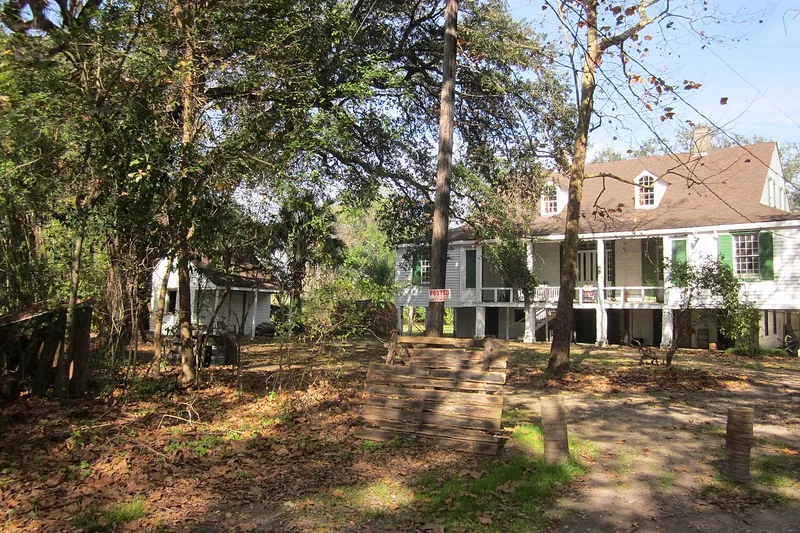
If the house is standing empty, a tenant is moving in or storm repairs are about to begin, tell your agent who will occupy each part of the property and when. Ask the insurer to confirm coverage for the transition in writing. Include stretches when a crew will work there during the day but nobody will sleep there. You can begin that conversation before you know the final move-in date.
Picture a Louisiana double after a windstorm. One family moves into a hotel, the tenant on the other side stays put, and a roofing crew needs access to both units. “The house is vacant” gives the wrong impression. “Everyone is still there” does too. A description of each side lets the agent address the owner's living expenses, the occupied rental, work on the shared roof and coverage during the repair period.
Start with the people and the floor plan
Draw a rough outline of the building, including entrances, kitchens, bathrooms, raised or enclosed areas, detached buildings and shared spaces. Label who lives in each part, which rooms are furnished, which are usable and which are under repair. You do not need a professional drawing. A floor plan can clear up a misunderstanding that might take half a dozen calls if everyone keeps talking about the front house, the back room or the upstairs apartment.
Some Louisiana shotgun houses have rooms arranged in a line from front to back. Others that look similar from the street contain two separate households under one roof. A family may occupy both sides, or the owner may live on one side and rent the other. Identify whether there are separate addresses and meters, a dividing wall, a common porch or a single heating system. Explain how residents actually enter and use the building.
Describe everyone who has access without sending private tenant records in an initial inquiry. A relative who stops by to collect mail, a caretaker who sleeps in a bedroom twice weekly and a construction supervisor who unlocks the gate each morning present three different patterns. Provide the frequency and purpose. Ask the insurer whether it needs a signed arrangement or further documentation once you know which policy it is considering.
Write the date when each household left or arrived. If one side is advertised but remains empty, say so. Identify which owner signs leases and which name is on the deed. An LLC, an estate and a resident owner may each have an interest in the same property. An agent needs enough detail to ask who can be insured, who needs to be named, and which owner or authorized representative can sign the application.
Separate displacement after a storm from an intentional move
A household that leaves because the roof failed may intend to return as soon as the bedrooms are dry. A household that emptied the same building to sell it has a different timeline and purpose. Give both your claims contact and your policy servicing contact the current address for notices. Reporting the loss starts the claims conversation. Separately ask the servicing team to address extended absence, ongoing repairs, renewal and any expected changes to occupancy.
Louisiana's insurance department explains that additional living expense coverage may help with extra household expenses when a covered loss makes a home unlivable. Ask the adjuster which expenses qualify, how normal household spending is treated and what limits and dates apply. Retain receipts and identify who stayed at the temporary address. A landlord's rental-income claim and an owner's hotel expense are separate matters even when one storm interrupts both sides of a double. LDI guidance on additional living expenses.
Build a simple record of what the storm changed. Save photos taken from a safe location, receipts for temporary work, the date utilities were shut off, and the date the building was safe to reenter. Keep invoices for emergency work apart from bids for permanent improvements. The Louisiana Department of Insurance storm recovery guidance covers documenting damage, temporary measures and communication with the insurer. If more than one policy could apply, contact each applicable insurer promptly.
Tell the next insurer about unresolved damage or an open claim when applying. A recently issued policy does not settle the cause or amount of an earlier loss. For instance, a tarp that keeps rain out this week may leave an important question about the permanent roof. Show the temporary receipt, the repair contract and the completion evidence when it exists. That sequence is more accurate than listing a new roof the day a contractor orders shingles.
When the building will be empty between decisions
During a succession, a sale or a move into care, an older home may be cleaned out little by little. Ask the insurer how it defines vacant or unoccupied, which provisions have time limits and which events start those limits. Check for separate treatment of vandalism, theft, glass, freezing, water leakage and liability. Do not use a universal day count someone heard in another state. Obtain the answer for the actual policy and facts.
Make a workable plan for visits. A family member might have a key but live on the other side of a bridge that closes during bad weather. Choose a second contact who can respond when access is permitted. Agree on who will investigate a loss of power, who can call a plumber and whom to contact if damage is found. Ask the insurer whether it requires a particular inspection frequency or a professional monitoring arrangement.
A visit should answer practical questions. Is there new staining inside, standing water under the house or daylight around a roof penetration? Did an alarm lose its connection? Are the doors and windows intact? Make a dated entry with what was observed and what happened next. A log does not convert a vacant house into an occupied home. Its value lies in helping the next person recognize changes and documenting the supervision you told the insurer you would provide.
If the owner has died or someone else has authority to manage the property, ask which documents the insurer needs to discuss or change the account. A relative arranging repairs may have no authority to bind coverage. Identify where the mail goes, whether automatic payments still work and how important notices will reach the authorized person. Keep information about valuable belongings separate from the building file so the family can track what was removed, stored elsewhere or retained.
Describe a renovation by the stages that change exposure
Cosmetic work with the family in place calls for different questions from raising an entire cottage, removing exterior walls or replacing both kitchens in an empty double. Write the stages in plain language. Which day will the home lose its roof covering? When will power or water be disconnected? When could the family first stay overnight? Tell the insurer what happens if parts, inspections or contractor availability push a stage past the original date.
Ask who is buying and who owns the materials before installation. A pallet of floorboards might be stored in a detached garage, delivered to the yard or held by the supplier. Ask the property insurer or builder's risk provider about each location that applies. Identify materials already installed and the existing building. The coverage needed for a new room, its supplies and the older structure can involve different terms and limits even on one work order.
Review the construction contract's insurance requirements with the agent before signing if possible. Ask whether the owner or contractor is responsible for insuring the work. Request evidence for contractor liability and the specific business doing the job. The Louisiana State Licensing Board for Contractors verification service lets homeowners check license or registration records. A licensing record serves a different purpose from proof of insurance. Match both records to the business name in the proposed contract.
Confirm when any construction policy ends. Occupancy, completion, a deadline in the policy or transfer of ownership could matter under the terms offered. If one side of a double will reopen before the other, ask if partial occupancy affects coverage. An owner planning to move in as soon as one bedroom is ready needs that answer before scheduling the move. Ask what happens if work stops for several weeks while the contractor awaits a permit.
Document the raised house from the ground up
A raised cottage may have a finished living floor above piers with parking, laundry equipment or storage below. Tell the agent what sits in each space. Photograph the foundation and the location of machinery from ground level where it is safe. An elevated living room alone does not describe the rest of the risk. A water heater beneath the house, a later enclosure and a detached workshop may need separate consideration.
Ask the flood provider how the form treats property and equipment below the lowest elevated floor under the applicable building and zone classifications. Ask about both building items and personal belongings. For a proposed enclosure, speak with the community floodplain administrator about what is allowed before changing the space. Store the permit, plans, elevation documentation if available and final inspection with the records for the house. A neighbor's finished lower level does not establish the rule or coverage for yours.
If a damaged building in a Special Flood Hazard Area triggers a rebuilding review, ask the local official for the determination and its basis. Under the NFIP framework, substantial damage generally compares the cost to restore the structure with its market value before the damage using a 50 percent threshold. Community requirements can be more restrictive. Land value, a mortgage balance and the check issued by a claims adjuster each answer different questions. Consult the community before committing to permanent repairs. Louisiana DOTD's substantial damage guide.
Separate a permitted elevation project from questions about how the building will be insured during the lift. Identify whether the home will be detached from utilities, where materials will sit, who will oversee the work and when residents can return. Ask about wind and flood terms during that period. Once the project is complete, request an updated review of the building description, insured value and available elevation evidence. An approved permit does not itself amend any policy.
Lease one unit or the entire house
List the units and leases alongside the proposed coverage. In an owner-occupied double, the insurer needs to know which side the owner uses and who occupies the other. If the owner moves across town and rents both sides, tell the insurer before the move. A landlord may own appliances, curtains and furnishings in addition to the building. Record those items and ask how they would be valued after a covered loss.
Think through a shared laundry room. A washer belongs to the owner, several tenants use it, and the room sits below the living floor. The lease may say who maintains the equipment without telling you what a property policy covers. Ask the insurer about the washer, damage to the room and liability if someone is hurt. Ask the flood insurer separately about the washer's position. One line item in a maintenance agreement cannot answer all of these questions.
Ask how a rental-income provision operates if a covered loss interrupts a lease. Find out whether the calculation accounts for continuing and saved expenses, what period is eligible and which records support the amount. Keep agreements, payment records and an occupancy calendar. An empty unit awaiting its first tenant can be different from a unit occupied under a signed lease immediately before a storm. Record former and prospective rents separately.
Discuss tenants' belongings early. The Louisiana insurance department's property insurance resources include renters insurance information. A tenant can talk to an agent about personal property, personal liability, living expenses after a covered event and flood coverage for belongings. The owner's interests and the tenant's interests can require different protection. Keep copies of the owner's insurance evidence for the mortgage and records of tenant insurance separately if your leasing arrangement requests it.
Review short stays, extended family visits and seasonal use
A fishing camp or second home can host family for most of the year and paying guests for a few weekends. Tell the insurer where the owner lives, how many weeks the property goes without overnight occupants and the pattern of rentals. Include direct bookings and money received outside any online platform. If friends pay only to cover cleaning or utilities, describe the arrangement so the insurer can determine how it treats that use.
Read the guest listing as if you were the underwriter. Does it promise use of a dock, a canoe, a detached bunk room or an outdoor cooking area? Does it allow parties or pets? Are outside guests permitted? Share the description and anticipated group size. Ask whether the policy addresses injuries to paying guests, homeowner-owned furnishings, accidental guest damage, theft and lost booking income. Request a direct answer for bookings made through every channel you use.
A platform benefit may operate only for an eligible reservation on that platform and can carry its own conditions. Review the terms directly. Ask your insurer how it would respond if damage is found during cleaning and nobody knows which guest caused it. A regular landlord policy may also require additional review for short stays. Louisiana's homeowners guide discusses home-sharing arrangements and the need to address them with an agent.
For seasonal family use, make the off-season plan as clear as the summer plan. Identify who secures exterior furniture, checks a boat shed or goes out after a storm when authorities permit access. Ask which detached structures qualify, how their value is established and whether contents are covered. Renting out an area you once kept locked may give guests access to features nobody reviewed in the original application.
Pick the policy and set a date to revisit it
Compare proposals against the three events you most need to insure. A family renovating a double might choose damage to the old part of the building, injury to a visitor during the work and lost rent from the occupied side. Ask the agent to point to the response for each event, including any relevant exclusion or deductible. Compare wind and flood separately. Check the premium term and any minimum retained premium if the house sells or the project ends early.
Before cancelling existing coverage, get written evidence of the new arrangement and its start time. Verify what your lender needs if the home secures a loan. Put reminders on the calendar for the project milestone, lease start, first paid guest or planned change of residence. If plans change, contact the insurer before you rely on the new use. The aim is to keep the physical house, the people in it and the written agreement aligned through each stage.
It can help to choose one milestone that will prompt you to call even if you are busy. Say the temporary roof is in place, most furnishings are in storage and a contractor expects to finish two months before the policy expires. The first tenant taking possession could matter sooner than the renewal. Write the move-in date next to the contractor's schedule and ask the producer what must be completed before keys change hands.
After that call, keep three items where the person managing the house can reach them: the latest coverage confirmation, the name of the contact handling the work and the insurer's directions for reporting damage. Give the visiting relative the reporting number and the property address as it appears on the policy. Details that feel obvious while you are arranging the renovation can be hard to reconstruct when someone else has to respond on a Sunday morning.
Common questions
Will staying with relatives after roof damage make our policy void?
Give the insurer the date you left, the reason, what remains in the house and when you expect to return. Ask how the policy treats a temporary absence and any vacancy or protection conditions. Confirm the claim arrangements with the adjuster and renewal or occupancy questions with the servicing team. A policy-specific written answer is more useful than guessing from the length of your stay.
What if one half of our double is empty and the other is occupied?
Describe both units and the common building features. Explain when the empty unit was last occupied, whether it has furniture and utilities, and when you expect a tenant or owner to move in. Ask about damage involving the shared roof, water lines and common areas and whether any vacancy provision operates by unit or by building.
Can a contractor's policy insure the belongings we moved out?
Find out whose belongings are involved, who packed them and where they are stored. Ask your own insurer about property taken off premises or placed in storage and any limits or conditions. The contractor can explain its coverage for property in its custody if that applies. Keep an inventory and receipts while the work is underway.
Do we need a separate discussion for a room rented during festivals?
Yes. Describe the room, number of paid stays, booking channels and whether the owner remains on the premises. Ask the insurer if it will authorize this arrangement under the existing form, an endorsement or a different policy. Verify coverage for guest injury and property damage before accepting the booking. Platform protections have their own eligibility and terms.
Our raised home has a lower enclosure. What should we show an agent?
Supply photos, the purpose of each room, construction date and any available survey, elevation or permit documents. Identify appliances, utilities and stored property separately. Ask the wind, property and flood insurers for the terms that apply to the structure and items at that level. If you intend to change the enclosure, check community requirements before beginning work.
How do we stop temporary construction coverage at the right time?
Ask the insurer which event ends the coverage and what it needs to issue the next policy. Confirm completion, possession and occupancy dates instead of relying solely on the contractor's last invoice. Request written evidence for the completed home before ending the temporary arrangement. If a mortgage is involved, give the lender the replacement documents through its designated channel.
Sources
- Louisiana Department of Insurance • Additional living expenses
- Louisiana Department of Insurance • Storm recovery
- Louisiana State Licensing Board for Contractors • Verify licensure
- Louisiana Department of Transportation and Development • Substantial damage guide
- Louisiana Department of Insurance • Homeowners and renters resources
- Louisiana Department of Insurance • Consumer guide to homeowners insurance