
Louisiana homeowner guide
Flood and fire coverage for a rural Louisiana home
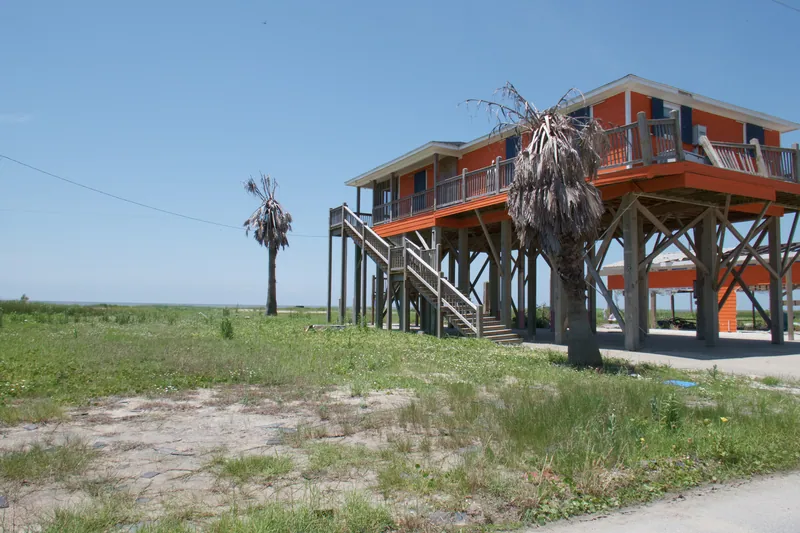
When insuring a Louisiana country home, locate three points before choosing limits. Find the floor where people live, the lowest place water could enter any insured structure, and the entrance fire crews would use. Then identify which buildings and activities need coverage. A house on piers, a workshop on a slab and a private road crossing a ditch can face different losses on the same parcel.
Bring the agent an address, a simple property sketch and whatever you already know about prior water, repairs and occupancy. You can add parish map information, elevation documents and fire-district confirmation as they become available. A lender’s letter may identify one urgent requirement. The insurance decision also needs to account for the belongings, buildings and temporary living costs the mortgage letter might never mention.
Trace the path water would take
Begin outdoors on a dry day. Follow the slope from the nearest road or field to the house. Note any low doorway, crawlspace vent, open lower level, drainage ditch, culvert, pump or low spot beside a slab. Look separately at a garage or storage building that sits closer to the watercourse. Mark where previous high water reached if someone actually observed it. If the mark is hearsay or an old stain of unknown origin, label it accordingly.
Different questions arise along the Gulf and inland. Storm surge can push saltwater inland, including along coastal waterways. In a river community, rain far upstream may raise the water after local skies clear. A drainage channel can fill during an intense local downpour while the larger river stays well below the house. An insurer investigating a loss needs the evidence at that location, not the nearest landfall coordinates or a general description of the parish as coastal.
A recent inland example comes from the Louisiana State Climate Office’s Tropical Storm Arthur summary. On June 18, 2026, the storm’s remnant circulation crossed central Louisiana, producing concentrated extreme rainfall in Avoyelles Parish. The report describes damaging freshwater flooding there and in St. Landry Parish. The practical question for a homeowner is whether outside water could reach a threshold, an outbuilding or the only road out. A family can be affected by floodwater without living beside open Gulf water.
Put the correct building on the map
Use the LSU AgCenter flood resources to find the parish and compare public flood mapping with the road and aerial view. Move the point onto the building footprint. On an irregular parcel a street address can land on the driveway or along a frontage shared by several homes. Save the map layer, panel date and point you examined. Repeat the exercise for each major detached building instead of describing every structure by the zone under the mailbox.
Find the effective Flood Insurance Rate Map using FEMA’s instructions for checking flood zones and maps. A proposed or historical map can help explain the property’s history, but use the effective map when discussing a current determination. Read the legend and dates. Ask the parish or municipal floodplain administrator about a boundary that seems to run through the house. If the lender's determination differs, request the determination document and compare the structure, map panel and date before paying for new surveys or pursuing a change.
A map can also show why a road matters. Imagine a house on a higher strip of ground with a driveway descending toward a low crossing. The mapped flood area covers the crossing and a shop, while the house footprint sits outside it. Write down each result. Ask how the offered contract treats flood damage to the house and shop, and how it treats loss of access when the structure itself remains sound. A map boundary cannot supply a promise to repair a washed-out private drive.
Distinguish ground elevation, floor height and flood elevation
Ground elevation describes land at a point. First-floor height describes the floor’s height relative to the surrounding ground. A base flood elevation, where established, represents the mapped water-surface elevation for the flood with a one-percent annual chance. Record the vertical reference used by an elevation document before anyone compares its numbers. Measurements from different reference systems can look comparable on paper while representing different elevations.
For example, an owner might say the house is three feet up because there are steps to the front door. Those steps say little about the slab of an attached utility room, the floor of an enclosed storage area or the ground outside the rear entrance. Ask where the certificate identifies the first floor, attached garage and machinery servicing the building. Mark a later addition or lift completed after the certification date. This gives the agent a way to decide whether the document still describes the property as it stands.
Before commissioning an elevation certificate, ask the seller, prior owner or local floodplain manager whether one already exists. FEMA's elevation certificate guidance explains where to look, what the form records and how it may help with a quote. A flood insurance agent can review the available records and explain whether further documentation would matter for the specific purpose. An insurance quote, a local building permit and a map change can each use elevation information differently. Identify the decision you need first.
Compare the federal flood policy and any private offer
In the National Flood Insurance Program, a covered flood involves a qualifying cause and temporary inundation of normally dry land meeting the policy's extent test. The test generally involves at least two acres or at least two properties, one of them yours. Overflow and unusual, rapid surface runoff are among the causes. Interior plumbing failure, rain entering through a damaged roof and seepage unrelated to a qualifying flood present other questions. The federal program’s explanation of flood causes gives examples.
Separate building coverage from contents coverage. A mortgage company may focus on the building amount. The check that replaces damaged beds, clothing and appliances you own depends on what property the policy covers and where it was located. Compare the deductibles for both coverages. In the federal program temporary housing and many outdoor improvements are excluded, as its summary of coverage explains. A private policy might handle some of these items differently. Ask for the proposed terms on each one.
A useful comparison starts with your likely loss. Imagine water entering a living room and damaging flooring, a sofa, a water heater and electrical equipment. Then suppose it also damages a fence and leaves the family needing temporary accommodation. Against each item, write which offer might pay, which limit or deductible applies and what the policy excludes. Find the effective dates and any waiting period for the exact transactions you are considering. A flood quote secured during storm season cannot cover a flood that took place before the policy started.
Describe the area below a raised home
On a raised coastal house, a photo taken from the road might show only columns and a staircase. On the far side, a storage enclosure may contain a freezer, fishing equipment, a water heater and a finished guest room. Give the agent all sides of the building and describe how each space is used. If the space changed since the last elevation certificate, provide the date, permits and dimensions you actually have. A closed door on a map photograph cannot identify an occupied room.
Federal flood policies have specific restrictions below the lowest elevated floor for certain elevated buildings in special flood hazard areas, depending on the building's construction dates, map history, zone and form. The federal claims guidance details those conditions and the limited items considered. Even in a permitted enclosure, drywall finishes, stored belongings or furnishings may have very different treatment from the equipment necessary to service the dwelling. Ask which of your specific items are eligible and how the policy describes their location.
A buyer considering enclosing a lower level should speak with the floodplain administrator about permitted uses before finalizing plans. Ask an insurance agent separately about building and contents coverage and how the use changes the quote. If one room will become a sleeping area or a paying guest suite, disclose that too. Elevating a box of valuables or keeping it upstairs can limit its exposure. Moving the household’s inventory to upper shelves does not make an ineligible item covered under the policy.
Distinguish flood from drainage backup, leakage and pump failure
One family notices water coming in under a door after a drainage ditch overflows. Another sees water backing up into a laundry sink during a blockage. A third finds soaked flooring around a failed supply hose. All three can truthfully say their house took on water. The insurer needs the entry route, the timing and what occurred outside. Avoid deciding an entire loss is covered or excluded because someone used the word flood in an emergency call.
For a specific home policy, ask about accidental discharge from plumbing and the treatment of repeated leaks. For backup, read the endorsement for sewers, drains and sumps, including dollar limits, deductibles and any exclusion involving external flooding. Under the federal flood policy, sewer or drain backup requires a direct connection to a qualifying flood. A clogged line by itself lacks that connection. State what the plumber observed about the pipe or pump and what neighbors reported about outside water during the same period.
If power goes out at a house with a private well, the household may lose water pressure before any pipe is damaged. Keep installation and repair documents for the well, pump, pressure tank and service connection. Ask the carrier which equipment sits inside the insured premises, which belongs to a shared system, and whether breakdown or buried lines need separate coverage. Outdoor wells and septic systems are examples of exclusions in the federal flood summary. A functioning house can still face an expensive utility interruption.
Determine who actually provides fire response
A rural mailing address can carry the name of a town whose station does not serve the premises. Identify the responding fire district using the emergency service address, parish and actual driveway entrance. Call the department’s administrative number and ask what station normally responds and how it identifies water supply for the property. Reserve emergency channels for emergencies. If two departments provide aid, ask which has primary responsibility before recording the nearest building bearing a fire department sign.
The Property Insurance Association of Louisiana’s Municipal Division evaluates municipal and fire-district capabilities and assigns a protection classification for the area it grades. The carrier still has to locate your house correctly and decide how its own underwriting and rating apply. A town classification printed in a newsletter does not verify an address beyond the municipal boundary. Have the agent compare the address pin, district and traveled route. Ask for the particular evidence the company accepts to correct any disagreement.
If the house sits beside a farm pond, do not count it as an approved hydrant or fire-department water source without confirmation. Tell the department what exists, how it is accessed and whether water availability varies. An insurer may need water-system, apparatus or district evidence that a homeowner cannot personally supply. Note the route through a gate or over a privately maintained bridge and disclose any seasonal limitations. The ability to see a station across a bayou is different from a workable route for responders.
Look at wildfire exposure close to the building
Flood exposure and dry vegetation can be relevant at the same address in different seasons. Louisiana’s forestry department documented the Tiger Island Fire in Beauregard Parish during the 2023 fire season. That event gives an inland example of wildfire affecting a wooded parish. It does not assign a current fire threat or insurance classification to every home outside town. Identify the condition immediately around your structures and document any insurer request that concerns brush, debris or access.
An owner can start from a safe, accessible spot at ground level. Look for needles or leaves gathered beside steps, woody material piled against a detached garage, or continuous brush reaching the deck. After a windstorm, broken branches might accumulate where a recent underwriting photo showed open ground. Record completed clearance separately from work you have only scheduled. Louisiana’s forestry debris guidance describes reducing flammable material and options for hauling or chipping debris. Ask the relevant local office about disposal arrangements.
Make the property identifiable for ordinary access as well. A new owner may inherit a gate with an old family name, a shared lane without visible address markers and a turnaround occupied by stored equipment. Discuss any practical access concerns with the fire district. Record who maintains gates, bridges and the approach, especially when planning changes. Ask the insurer what evidence of completed improvements it wants. Clearing vegetation or repairing a lane can improve the property without guaranteeing a particular protection class or premium.
Identify every structure, its contents and its users
Consider what you mean by a shed. It could be an open equipment cover, a finished workshop, a small fishing camp occupied on weekends, or a building someone leases for boat storage. Before comparing insurance, distinguish foundation, construction, size, roof, occupancy and utilities. Record rough replacement costs for buildings and personal property separately. Give the agent enough detail to identify which structures fit ordinary household use and which may need a separate contract or explicit endorsement.
For flood coverage, ask which insured building the particular quote describes. The federal dwelling form’s garage provision can apply a limited share of the dwelling limit to a qualifying detached garage. That exception cannot be assumed to cover every outbuilding, a residential apartment in the garage or a workshop used for income. For the homeowner policy, check whether a shared limit covers qualifying detached structures and whether any particular building has been excluded. Identifying the roof and siding in an inspection does not establish insurance on the stock or tools inside.
If a neighbor stores crawfish gear or a relative uses the shop to repair motors for paying customers, explain who owns the equipment and who invites customers onto the premises. The value of other people's property and possible injury claims may exceed the value of the building itself. A homeowner might need landlord, business, farm or other specialized review depending on the actual activity. Ask before starting the arrangement. Changing how a building is used can matter even when its appearance remains identical.
Choose a useful next step for your property
A household buying acreage outside a parish seat might need a flood quote immediately for closing, a fire-district correction for the home policy and a decision about insuring a detached barn. Assign each task to the party who can answer it. The lender can confirm its coverage requirement and deadline, the local office can help identify flood or fire maps, and the insurer can confirm what it will write. Send the application with the information available while the professionals resolve outstanding data.
When comparing final offers, check occupancy, building list, exclusions, wind and flood coverage and the effective time of each policy. Put the deductible next to the amount available for urgent repairs. If a quote assumes the detached shop remains personal storage through the whole term, identify when that assumption may change. Request the written policy language for any verbal answer on elevated enclosures, farm equipment, private roads or temporary accommodation. Then keep the relevant pages with the property sketch.
If damage has already occurred, report it promptly to potentially involved insurers and save your contemporaneous observations. An application for a future policy cannot settle a prior flood or fire. For a current underwriting review, tell the agent which repairs are complete, which are underway and which conditions still affect occupancy or access. The most helpful record often fits on one page. Give the date of the event, what happened to each structure, what changed afterward and the next date by which a decision is needed.
Common questions
Can two houses in the same Louisiana parish have different flood exposure?
Yes. Ground height, floor elevation, drainage routes, proximity to a river or tidal water and construction vary within a parish and even on one street. Use the building footprint on the effective map, then document the actual entry points and elevations. A neighboring house's premium or claim payment cannot tell you how your house will be rated or insured.
If the living floor is elevated, do I need to tell the agent about the area underneath?
Yes. Describe enclosures, utility equipment, stored property and any occupied or finished area. The federal flood policy can restrict coverage below the lowest elevated floor under specific conditions. A private policy has its own language. Compare the treatment of the contents you actually keep there and ask the local floodplain administrator about intended alterations.
Does the rural fire district determine my insurance premium?
The district can confirm service information, and PIAL assesses public fire protection capabilities. The company decides how the verified classification and other property characteristics affect its own offer. Give the agent the property location, primary station, route and confirmed water-source details. Ask which data caused an unexpected result before assuming a particular premium increase is unavoidable.
Would flood insurance replace an entire private road that washed away?
Do not budget on that assumption. Building coverage centers on the insured building and eligible items. Private roads, culverts and other outdoor improvements can present significant uninsured costs. Identify the owner or road association, maintenance obligations and any specific coverage available for them. An inability to reach the house can occur even when the house itself suffers little damage.
Is a separate flood policy enough for everything in a fishing camp?
Check the location, occupancy, elevation, eligible building and purchased contents protection. Identify gear in an enclosure, a boat tied outside, a detached boathouse and any rented space individually. Those items can fall outside ordinary dwelling flood coverage. Ask the agent to evaluate both residential and watercraft exposures based on who uses the camp and when.
What if my culvert backs up every time the parish gets heavy rain?
Document where the water goes, where it enters the property and whether surface water affects neighboring properties. Ask the responsible road or drainage authority about maintenance and the insurer about flood versus backup coverage. A history of routine drainage problems is important to disclose. An observation of water at the culvert alone does not establish coverage or the cause of a particular indoor loss.
Sources
- LSU AgCenter · Louisiana flood maps and parish flood resources
- Louisiana State Climate Office · Tropical Storm Arthur, June 2026
- National Flood Insurance Program · Flood zones and maps
- National Flood Insurance Program · Elevation certificates
- National Flood Insurance Program · What counts as a flood
- National Flood Insurance Program · Summary of coverage
- Property Insurance Association of Louisiana · Municipal Division
- Louisiana Department of Agriculture and Forestry · Tiger Island Fire, Beauregard Parish
- Louisiana Department of Agriculture and Forestry · Managing vegetative debris
- National Flood Insurance Program · Standard policy, claim guidance and elevated-building limitations